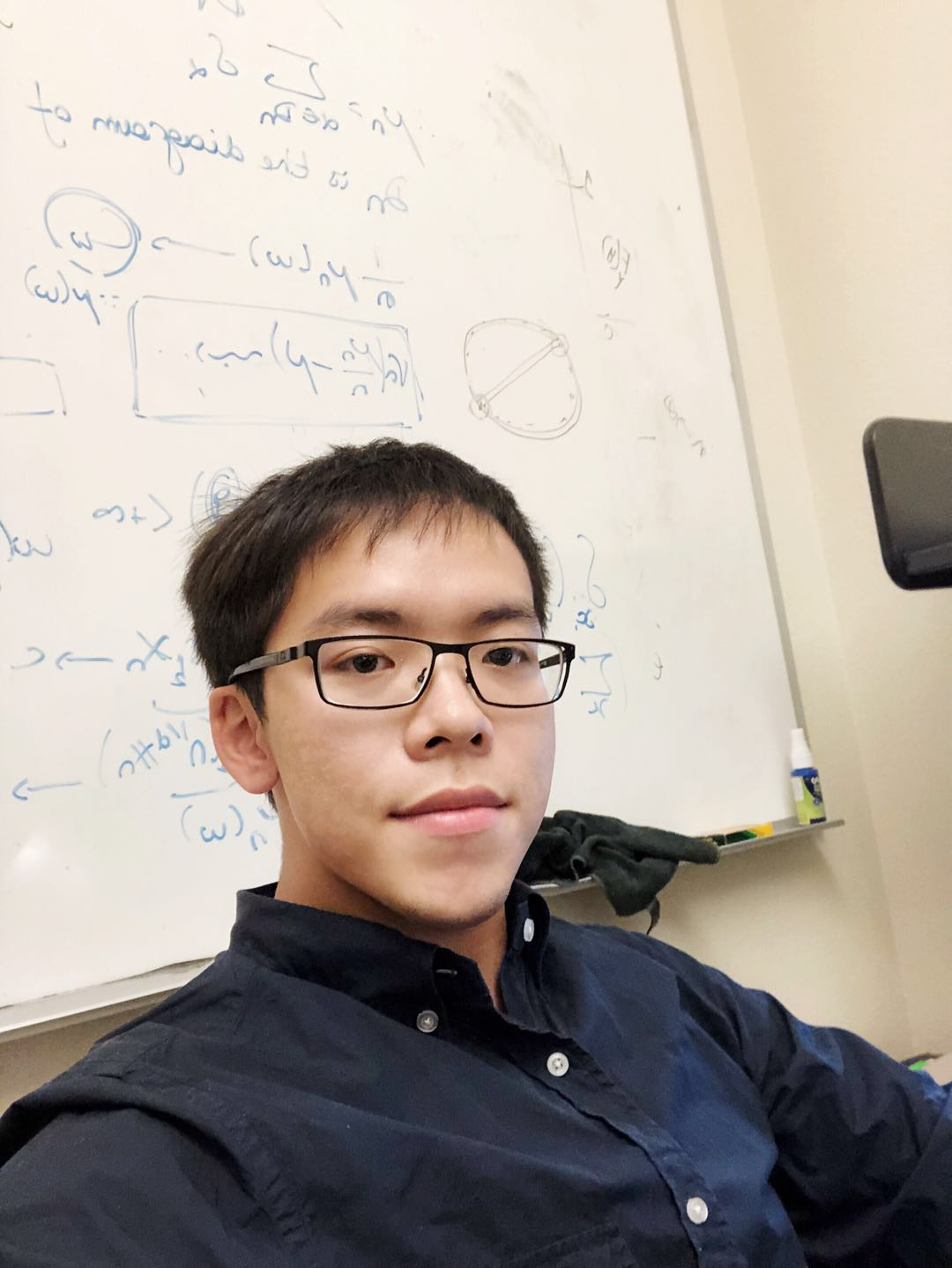
Hi, I'm Tesi Xiao.
Senior Applied Scientist at Amazon Search, building machine learning systems that serve hundreds of millions of customers — from ideation to production.
I received my Ph.D. in Statistics from UC Davis, advised by Prof. Krishna Balasubramanian, and my B.S. in Statistics from Zhejiang University. My work bridges optimization theory and large-scale machine learning systems, with a focus on principled methods that actually ship.
News
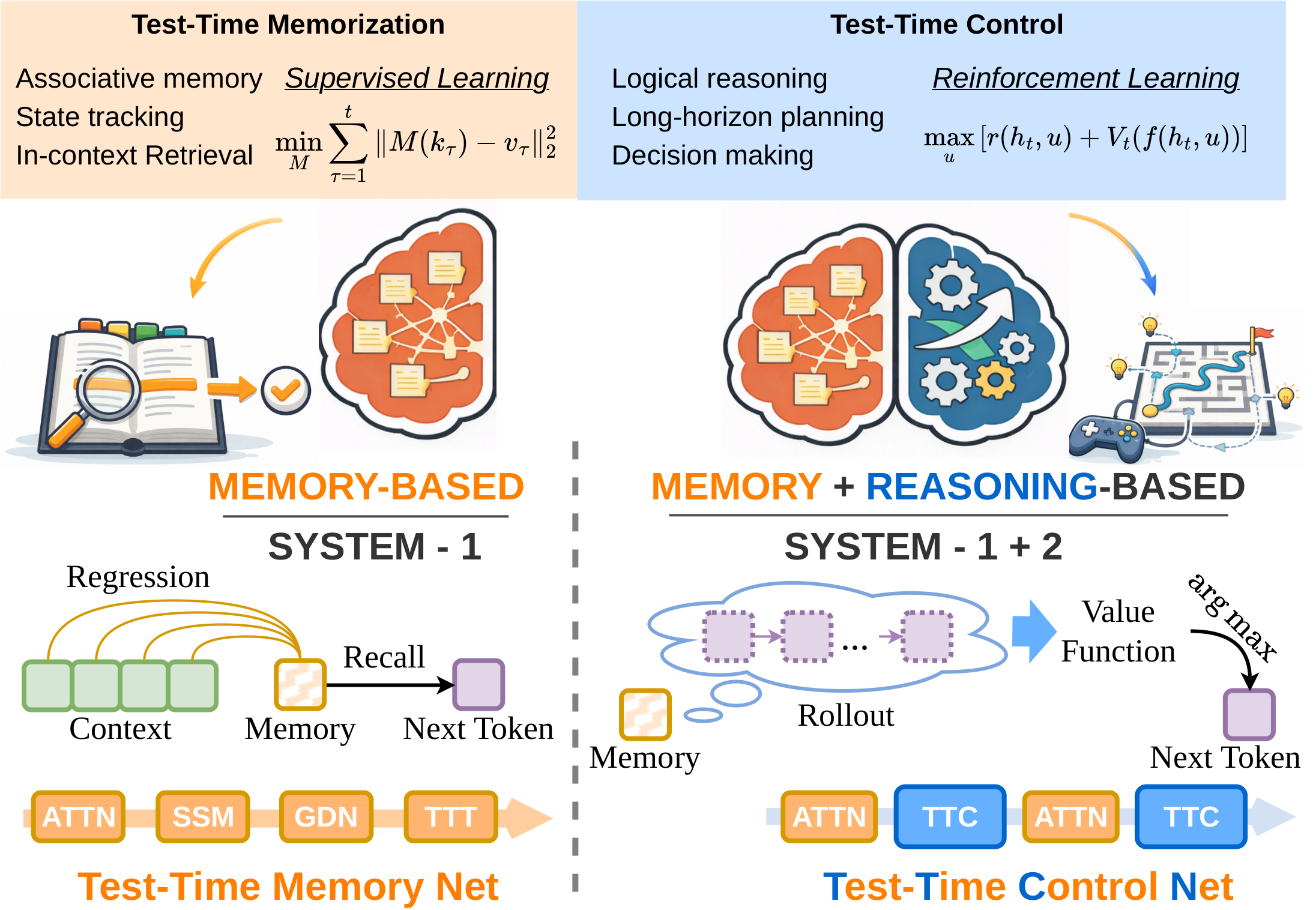
- [2026/04] Our paper on test-time optimal control for LLM reasoning is accepted to ICML 2026.
- [2025/12] Thrilled to be promoted to Senior Applied Scientist at Amazon Core Search, now based in Seattle!
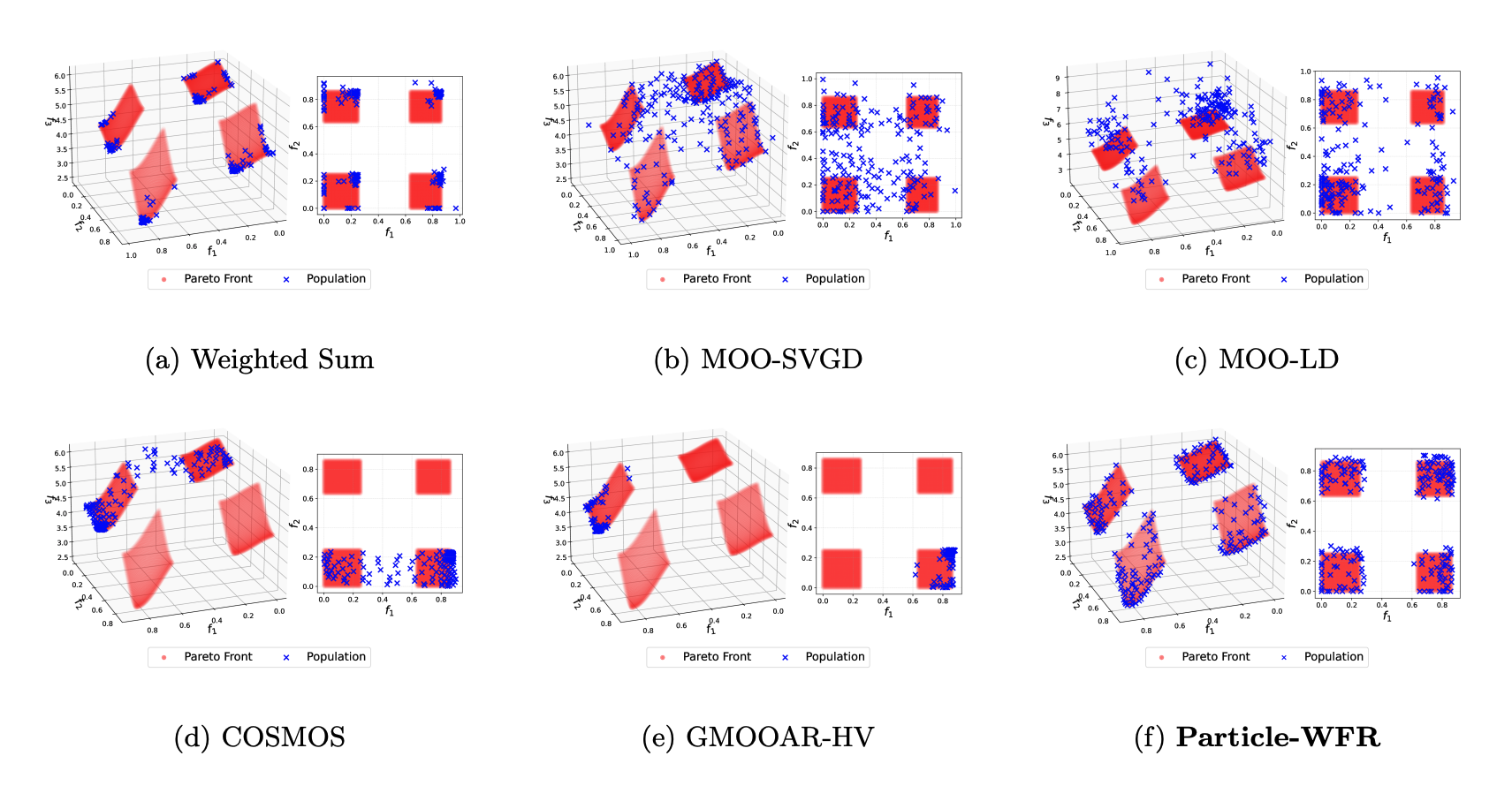
- [2025/05] Our paper on conditioned one-shot multi-objective DPO is accepted to UAI 2025.
- [2025/01] Our first HCI paper on designing and evaluating multi-objective rankers is accepted to IUI 2025.
- [2024/05] Our work on optimal stochastic bilevel optimization under relaxed smoothness is published in JMLR.
- [2024/01] Two papers accepted — one at ICLR 2024 and one at AISTATS 2024.
- [2023/07] Defended my Ph.D. at UC Davis and joined Amazon Search Science and AI as an Applied Scientist in Palo Alto.
Selected Papers
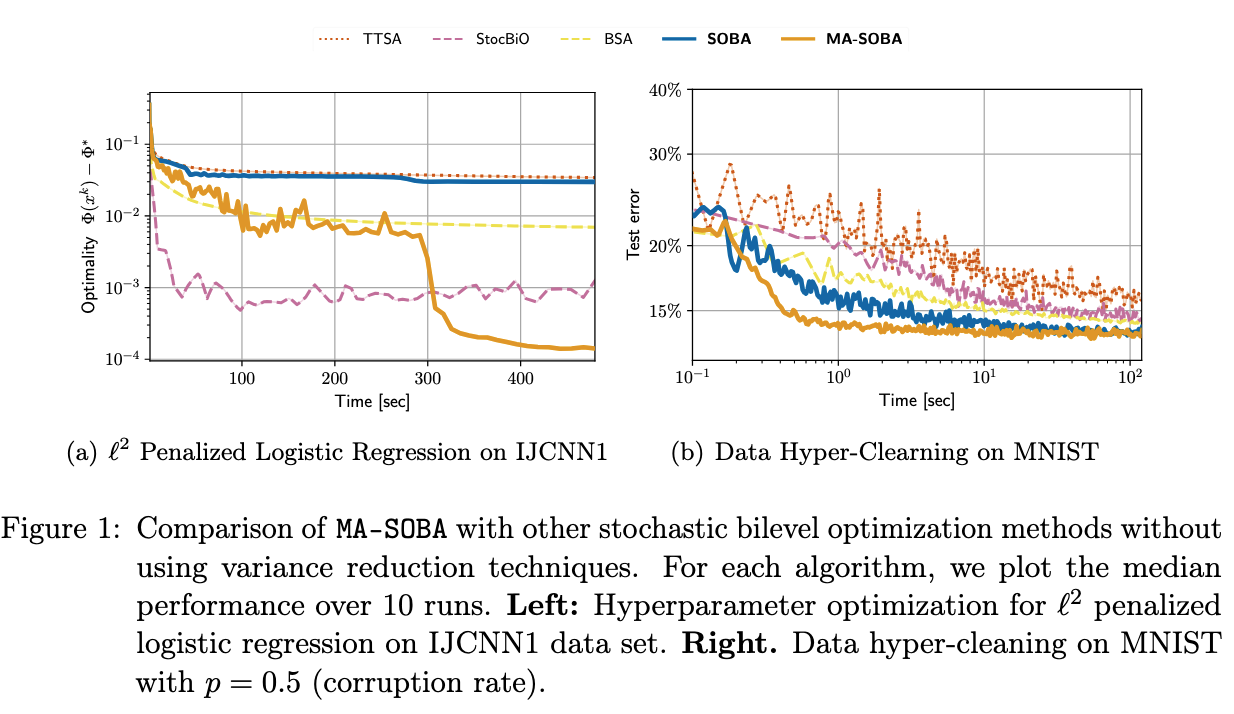
Optimal Algorithms for Stochastic Bilevel Optimization under Relaxed Smoothness Conditions
JMLR 2024
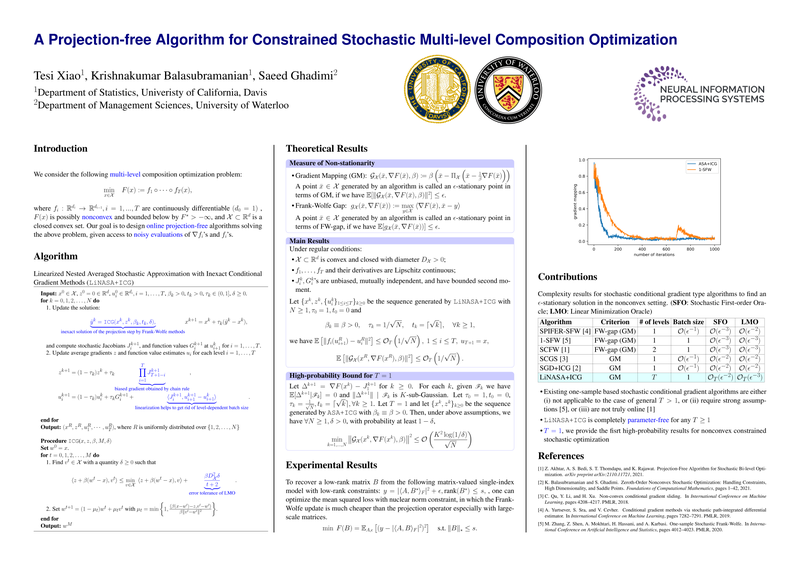
A Projection-free Algorithm for Constrained Stochastic Multi-level Composition Optimization
NeurIPS 2022
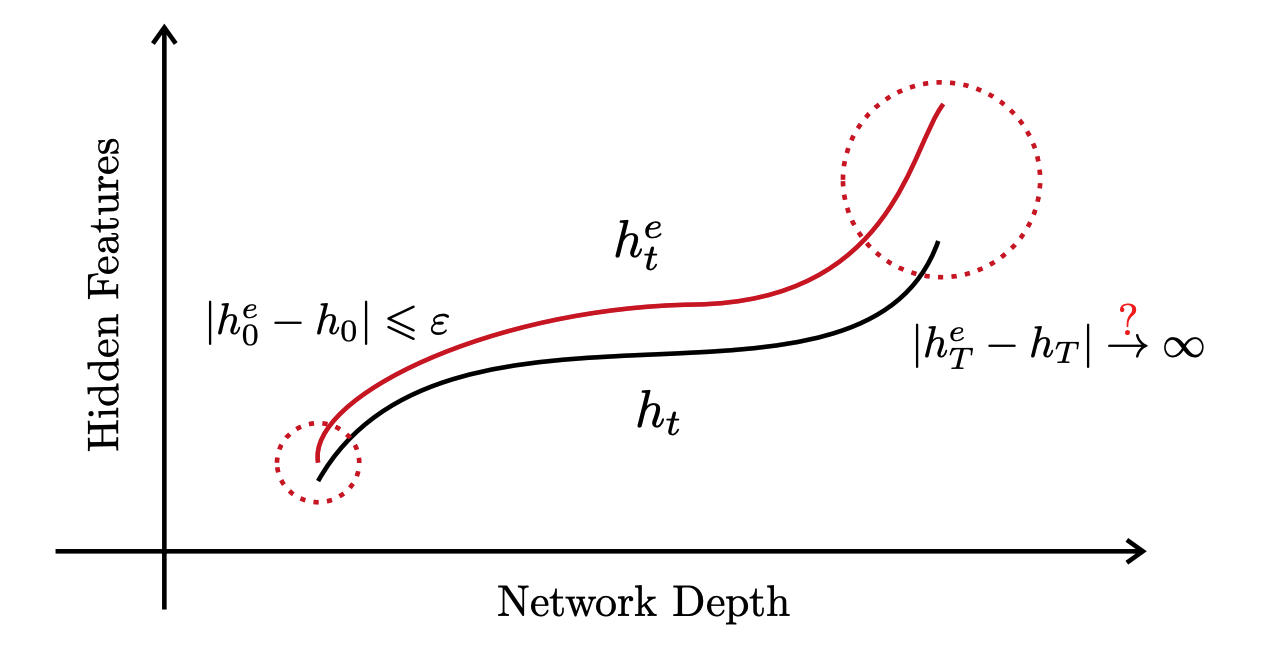
How Does Noise Help Robustness? Explanation and Exploration under the Neural SDE Framework
CVPR 2020